
Celebrating 15 Years of Ingenuity and Excellence
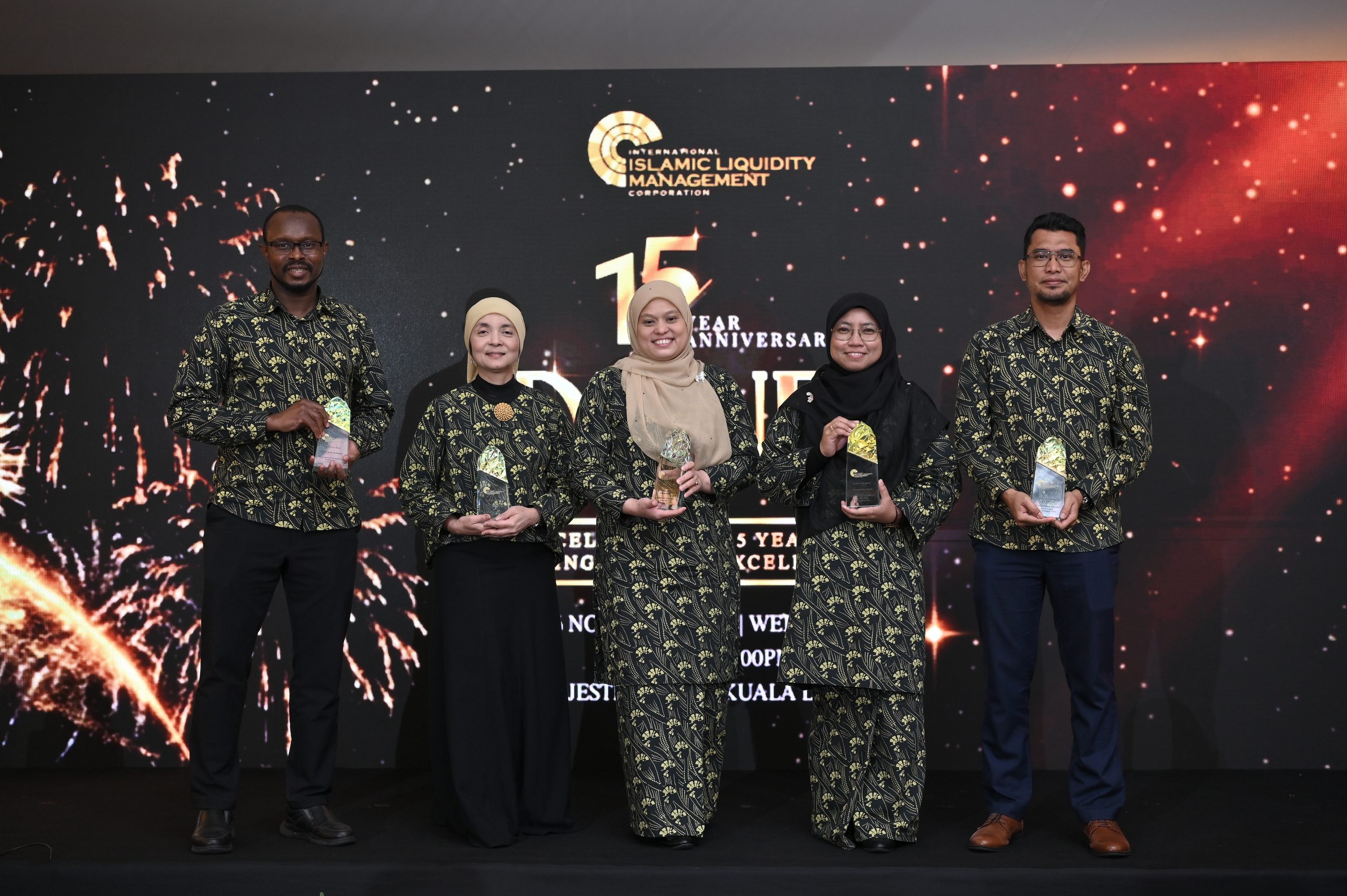
2025 marks a defining milestone for the International Islamic Liquidity Management Corporation (IILM) as we celebrate 15 years of progress, resilience, and global collaboration. This year, the IILM achieved several historic firsts—including the onboarding of three new global Primary Dealers, the upsizing of our Sukuk Programme to USD 8.5 billion, and a record high of USD 6.4 billion in outstanding Sukuk. These results reflect the continued trust and support of our members, regulators, and financial counterparts across the world.
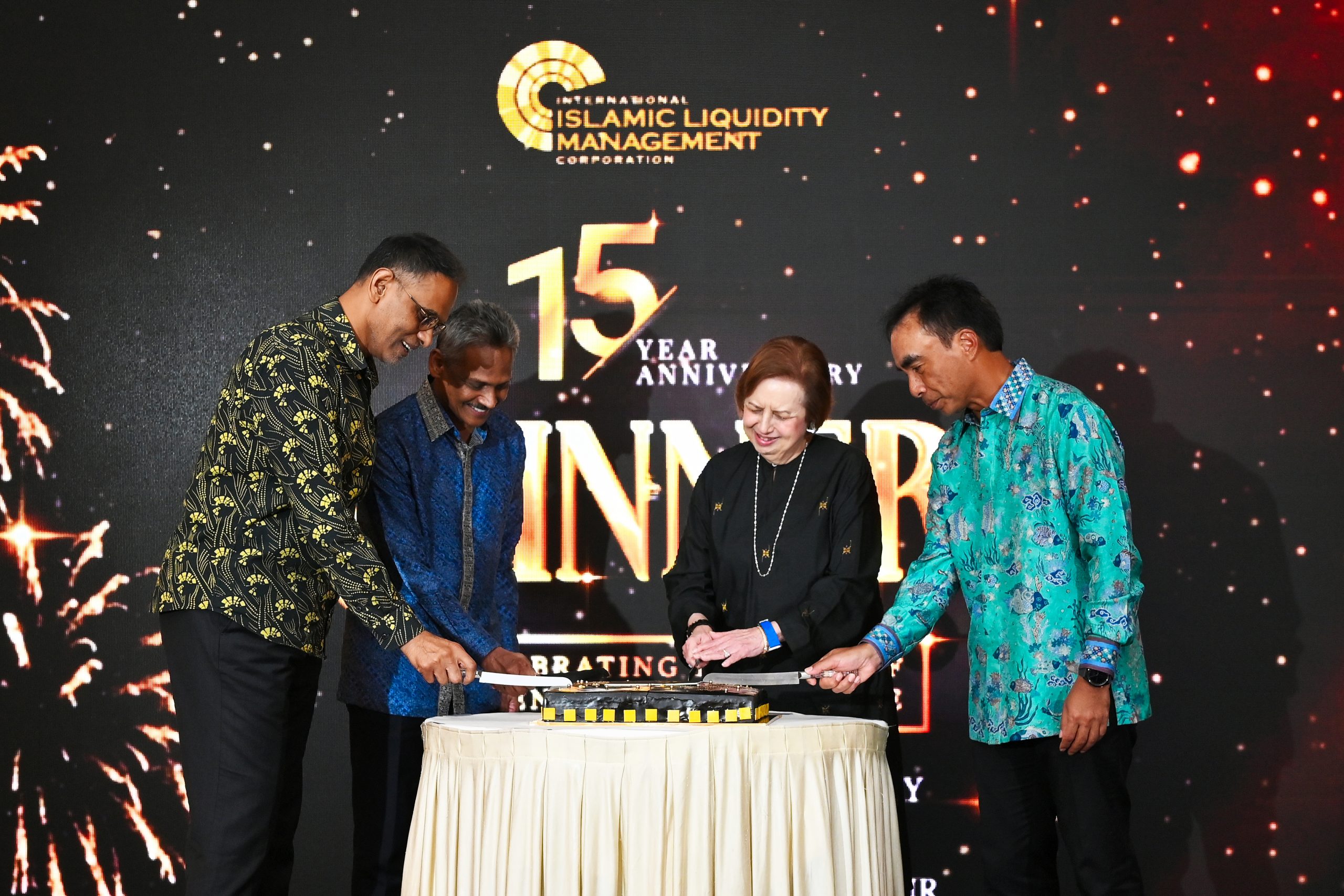
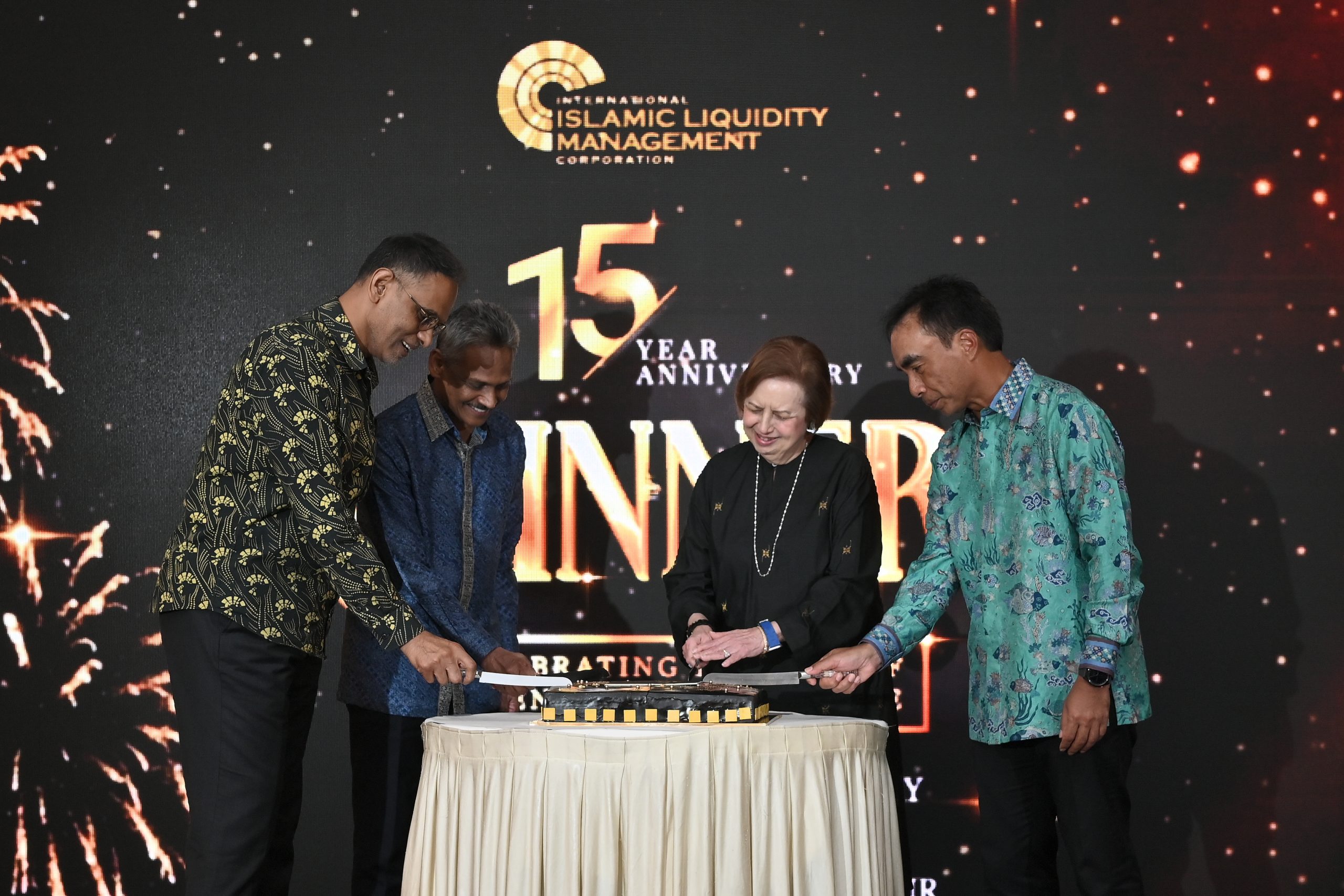
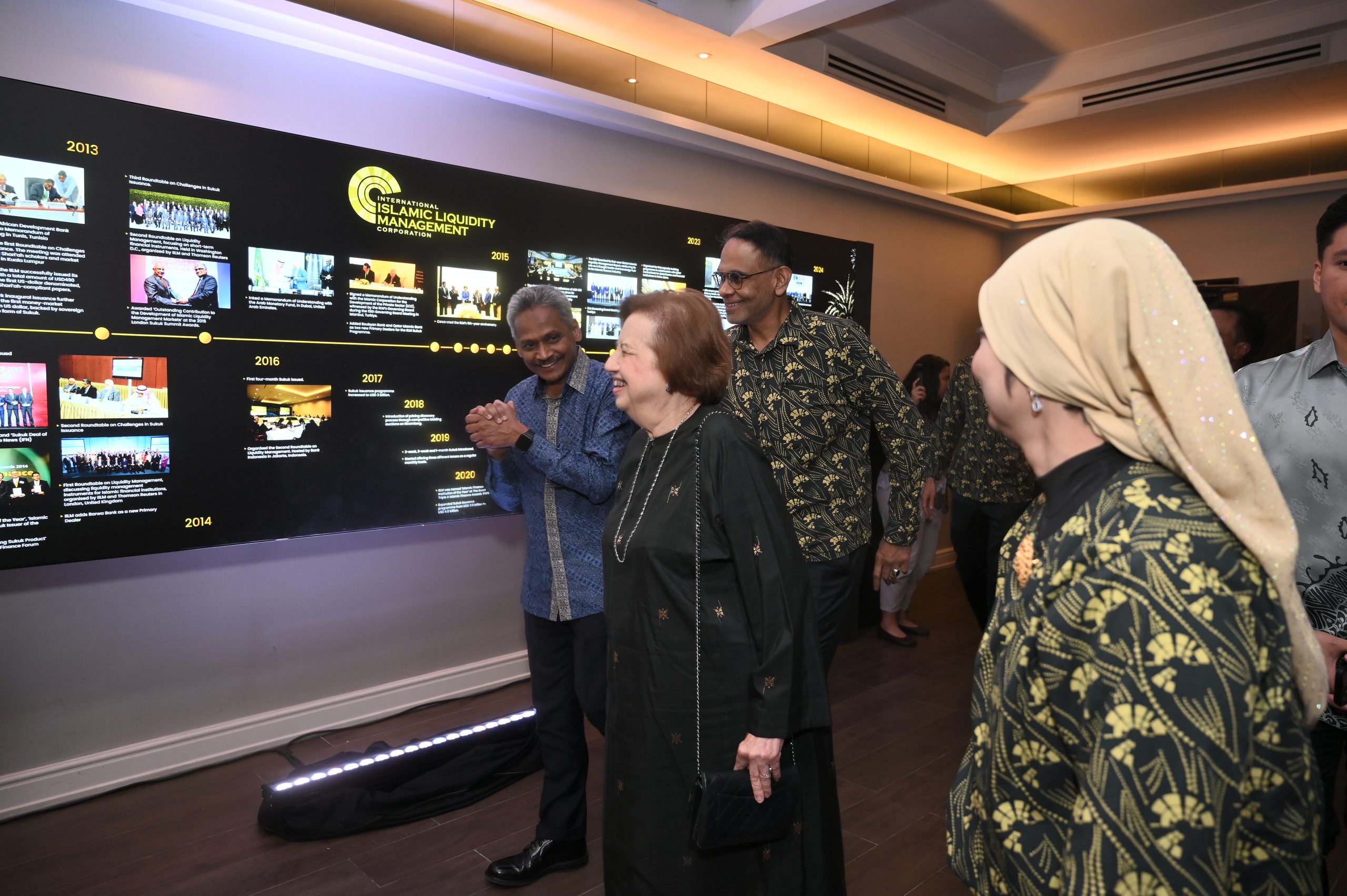
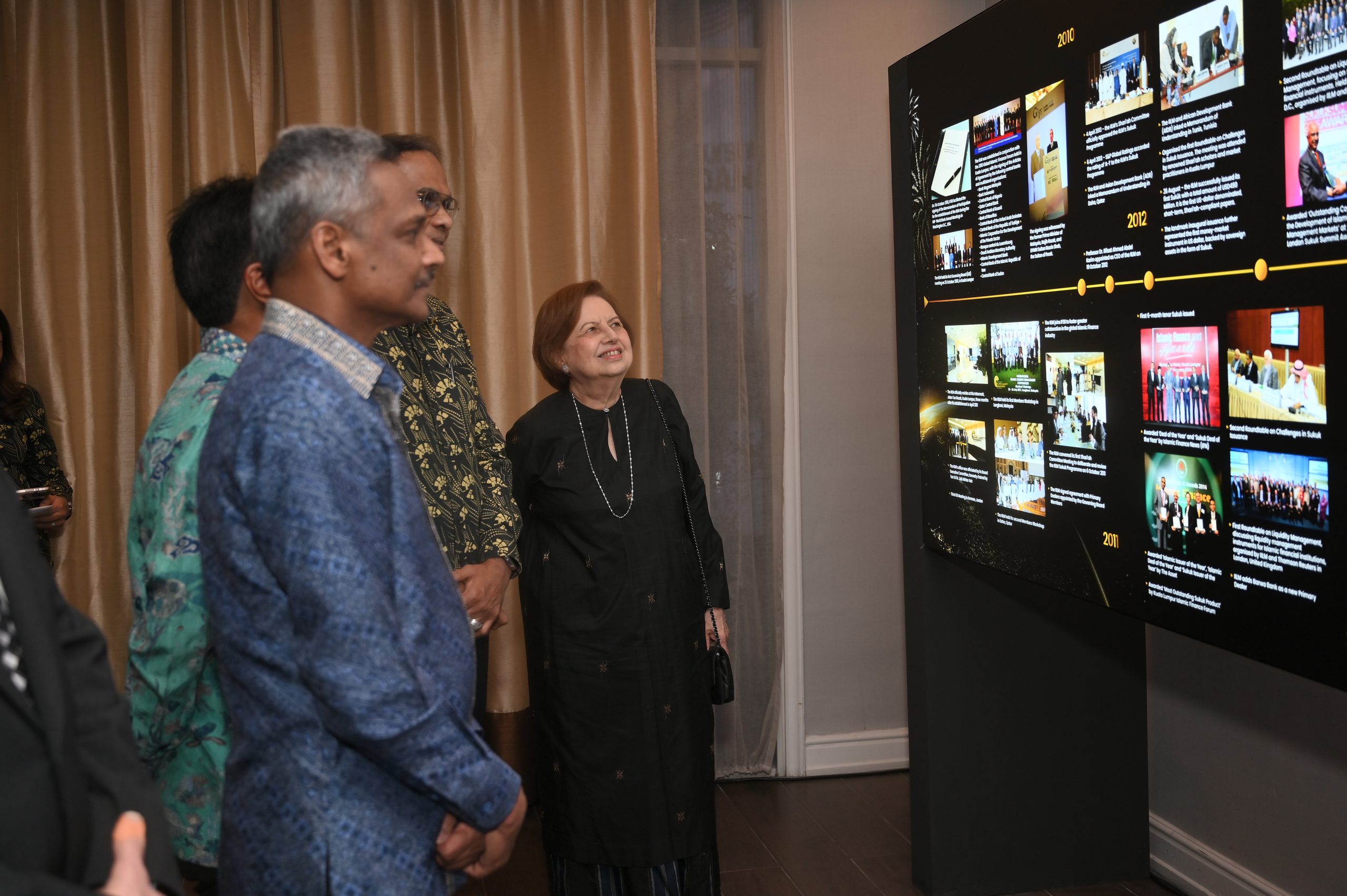
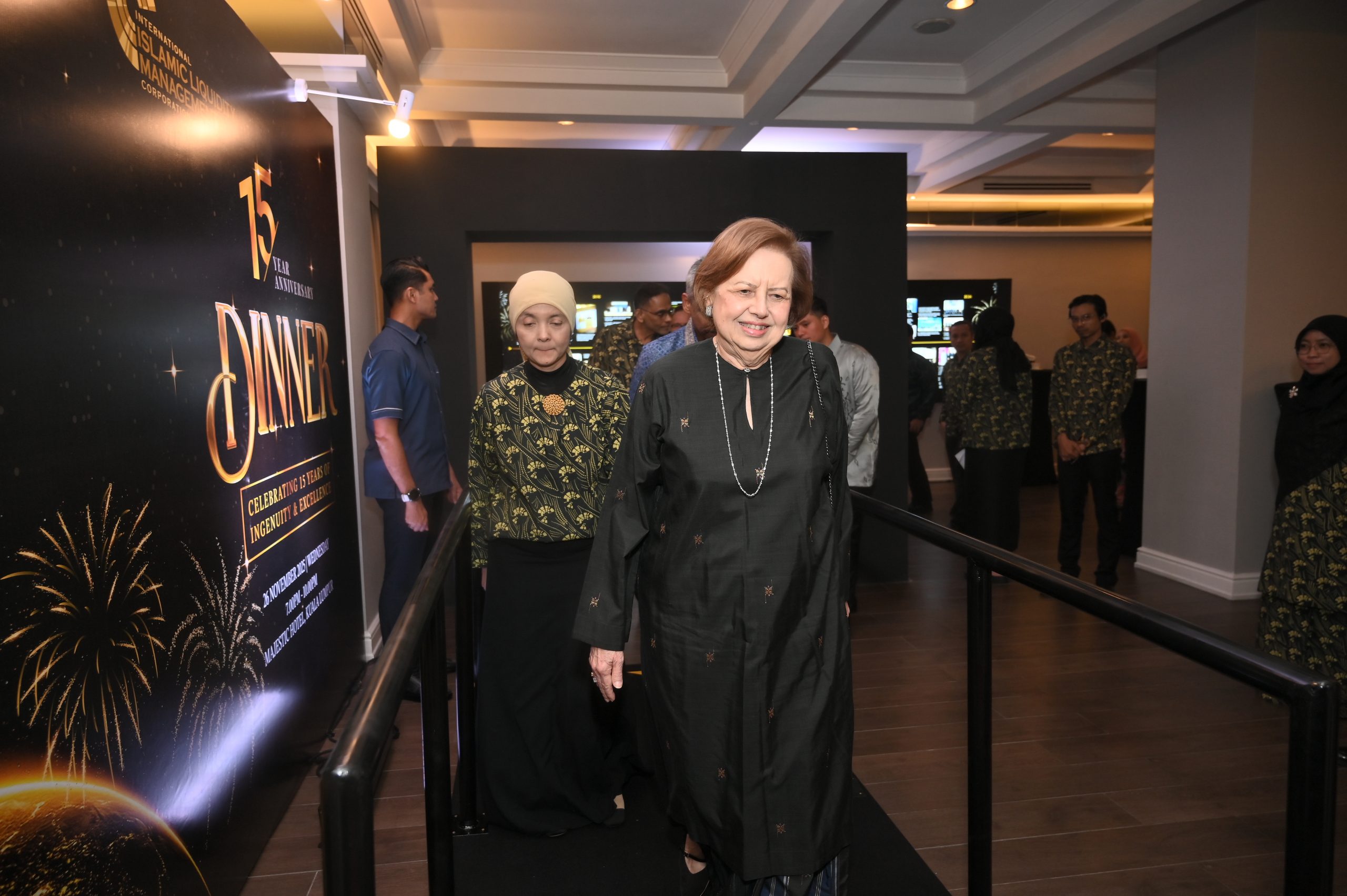
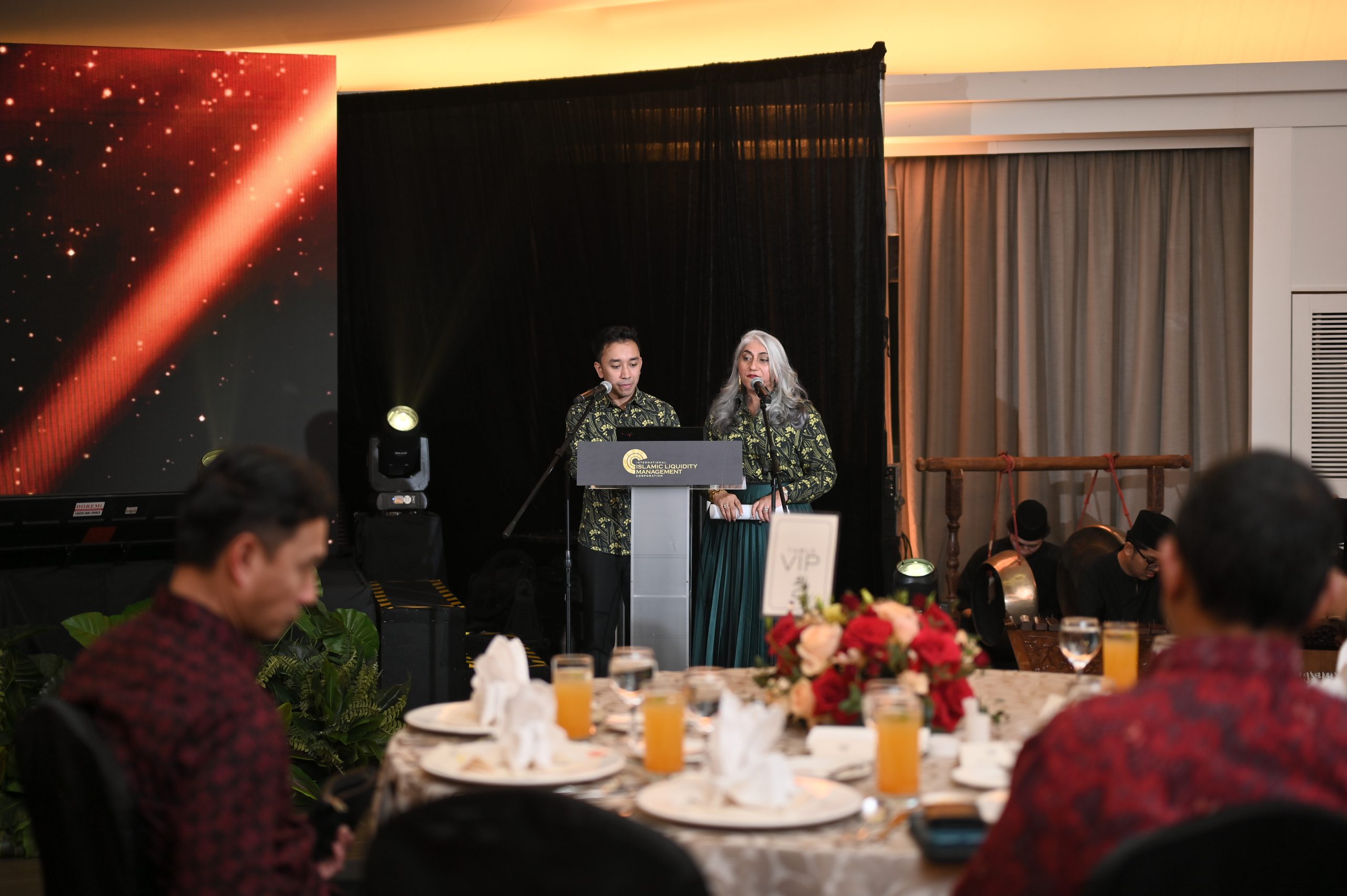
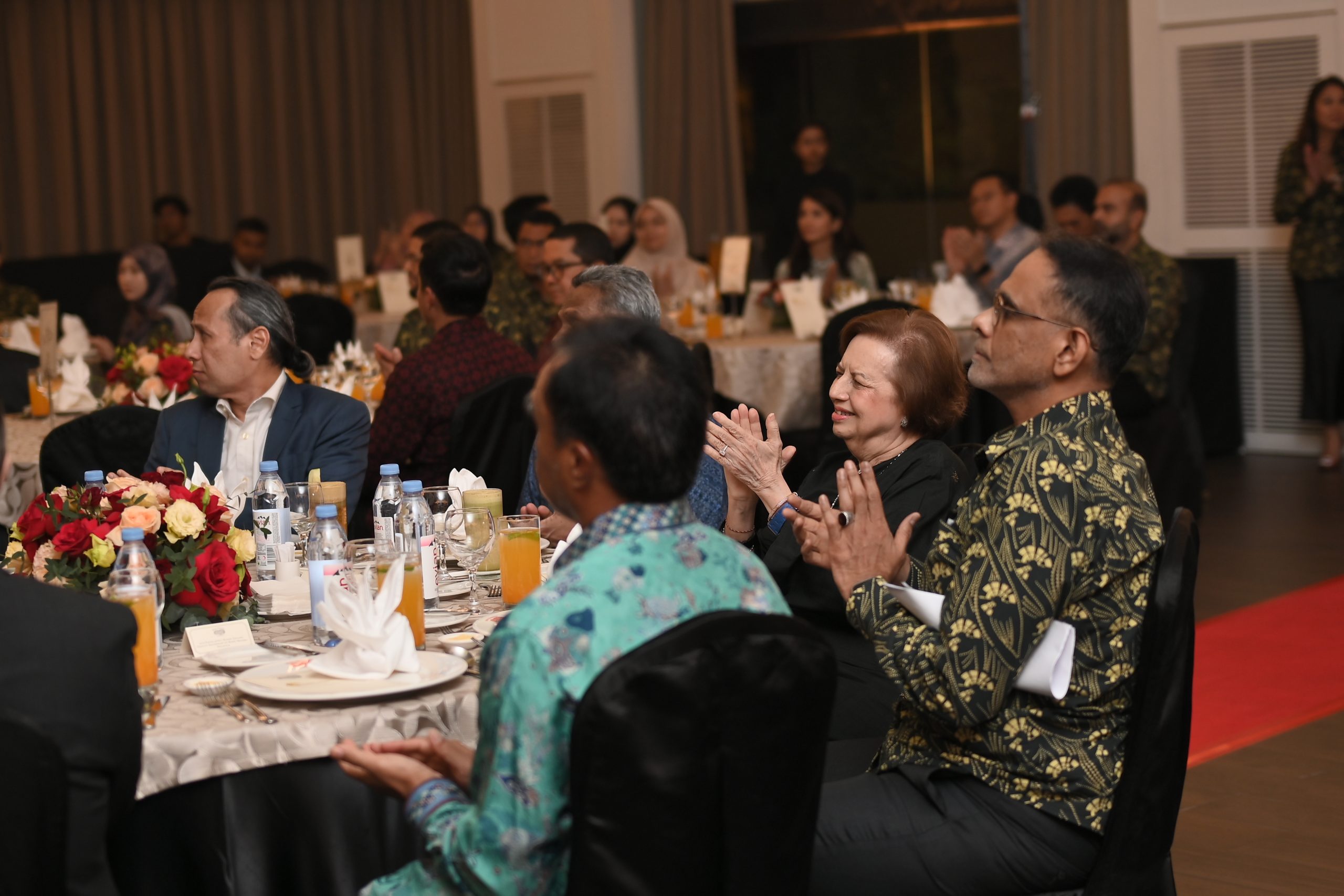
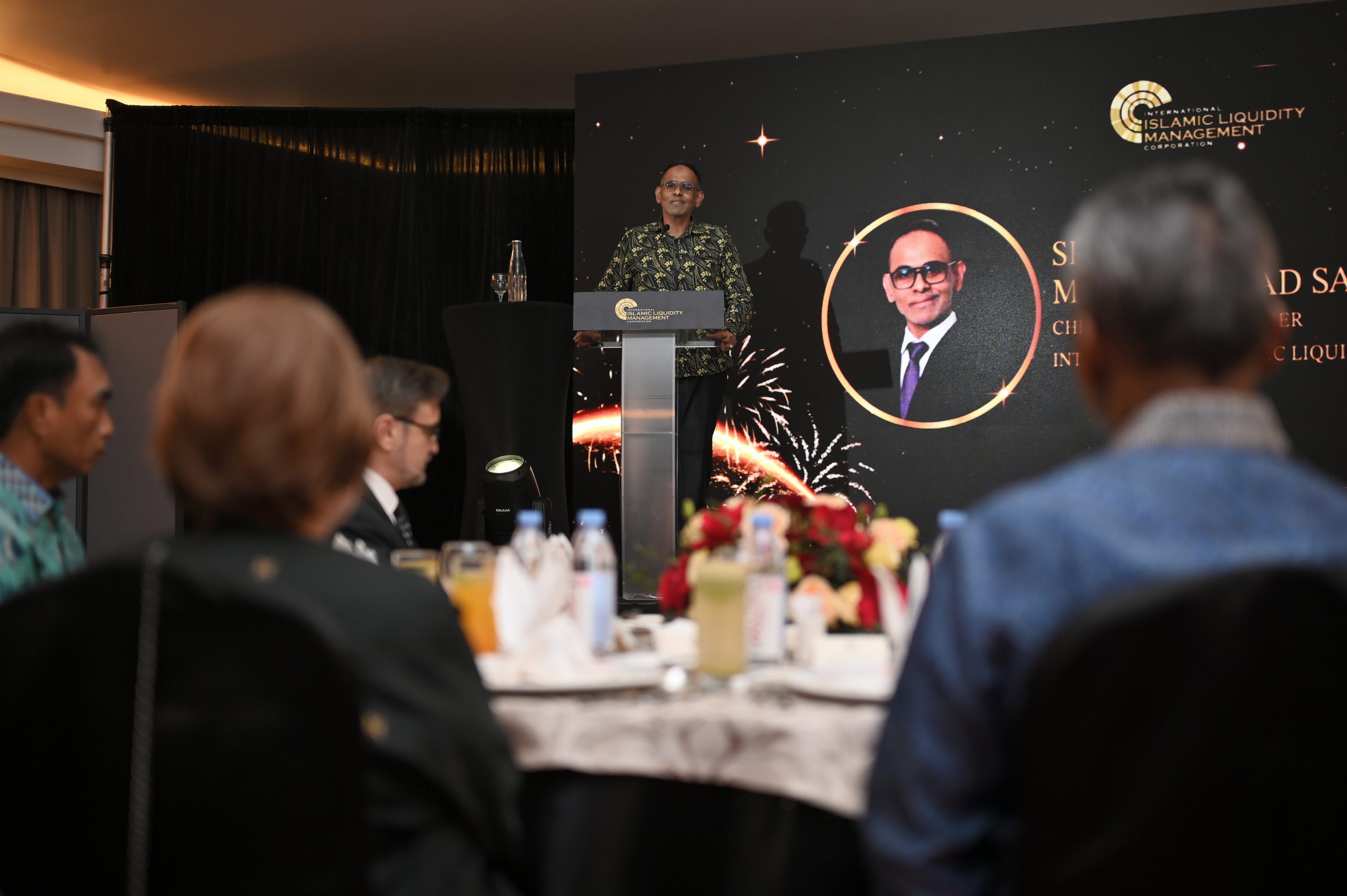
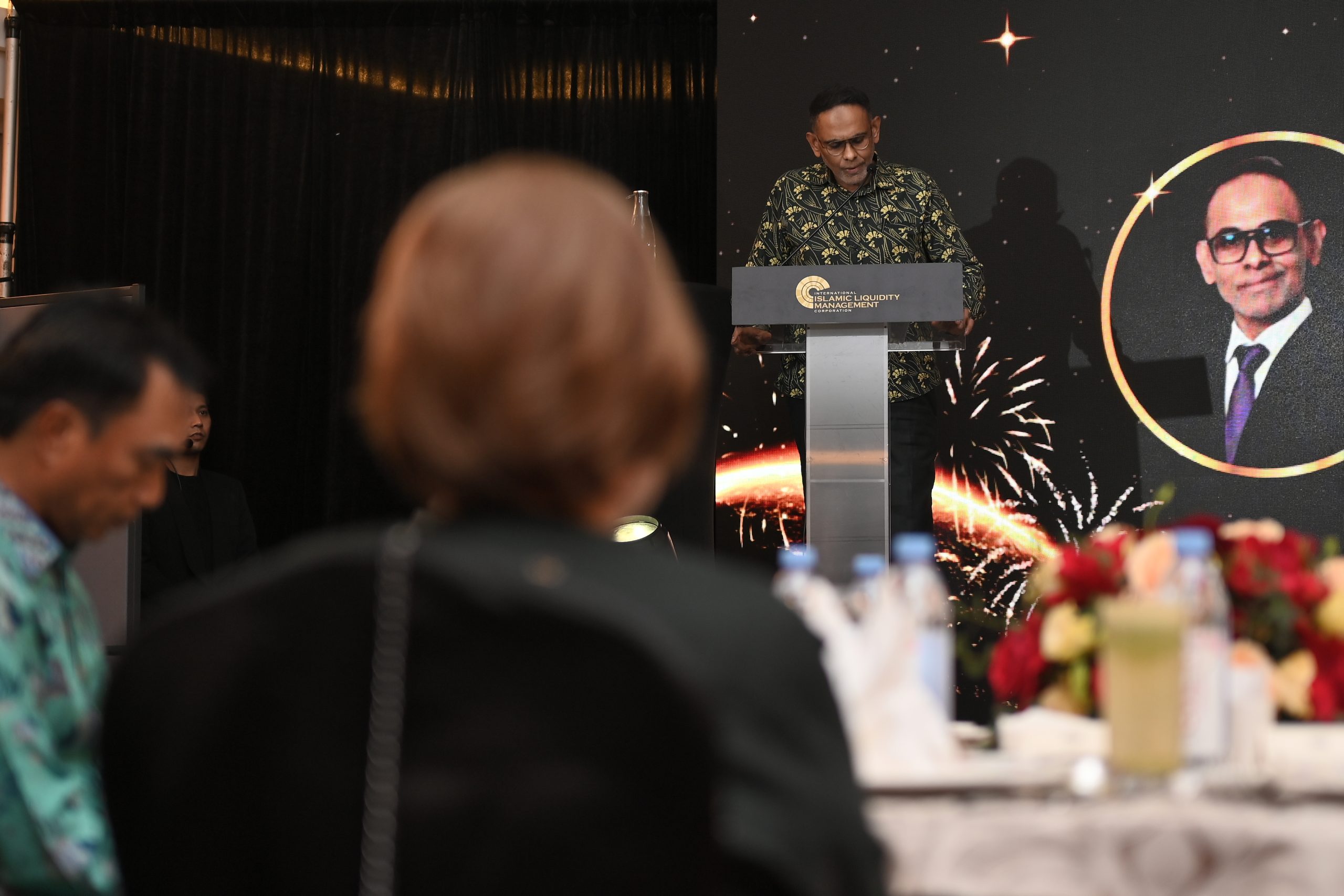
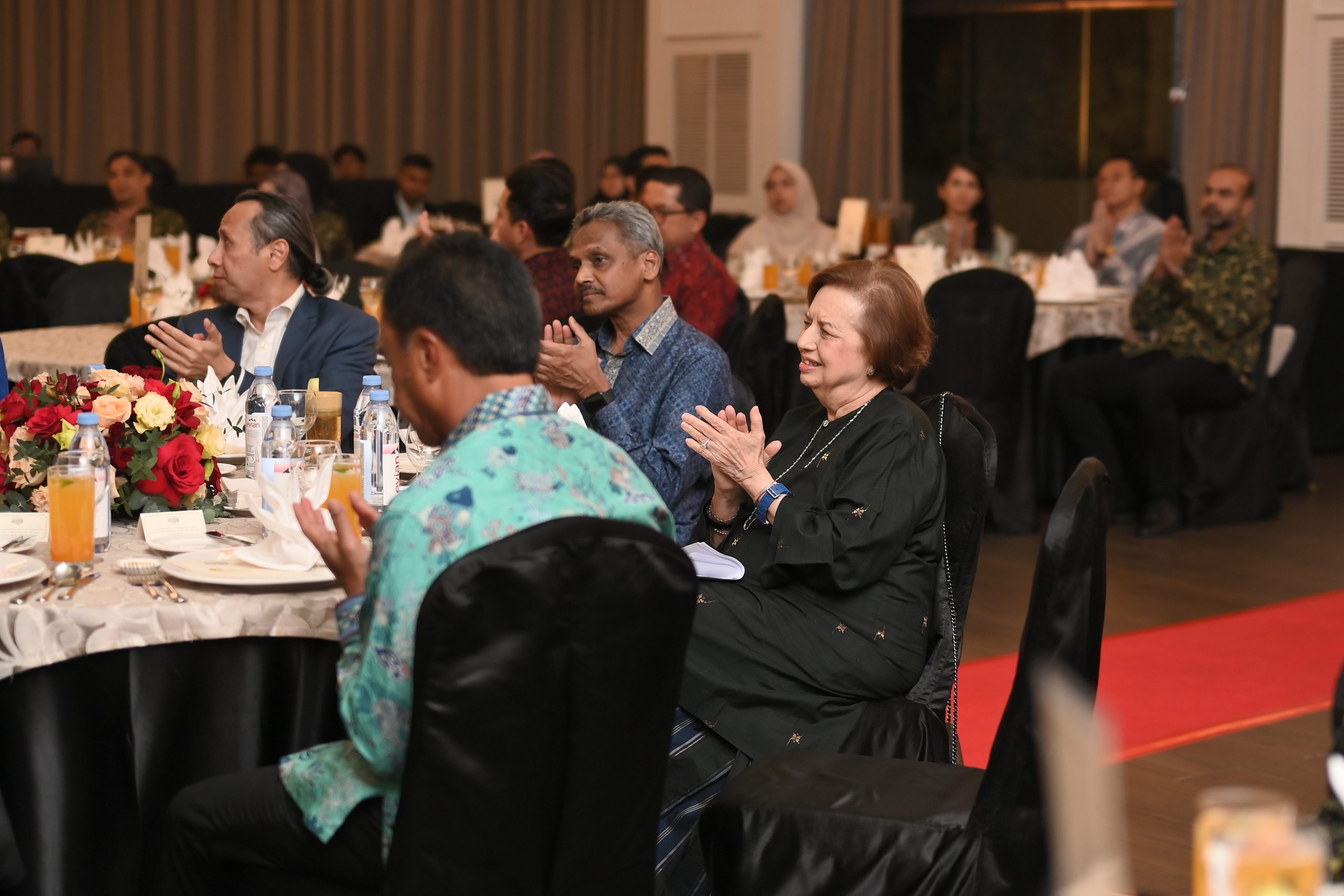
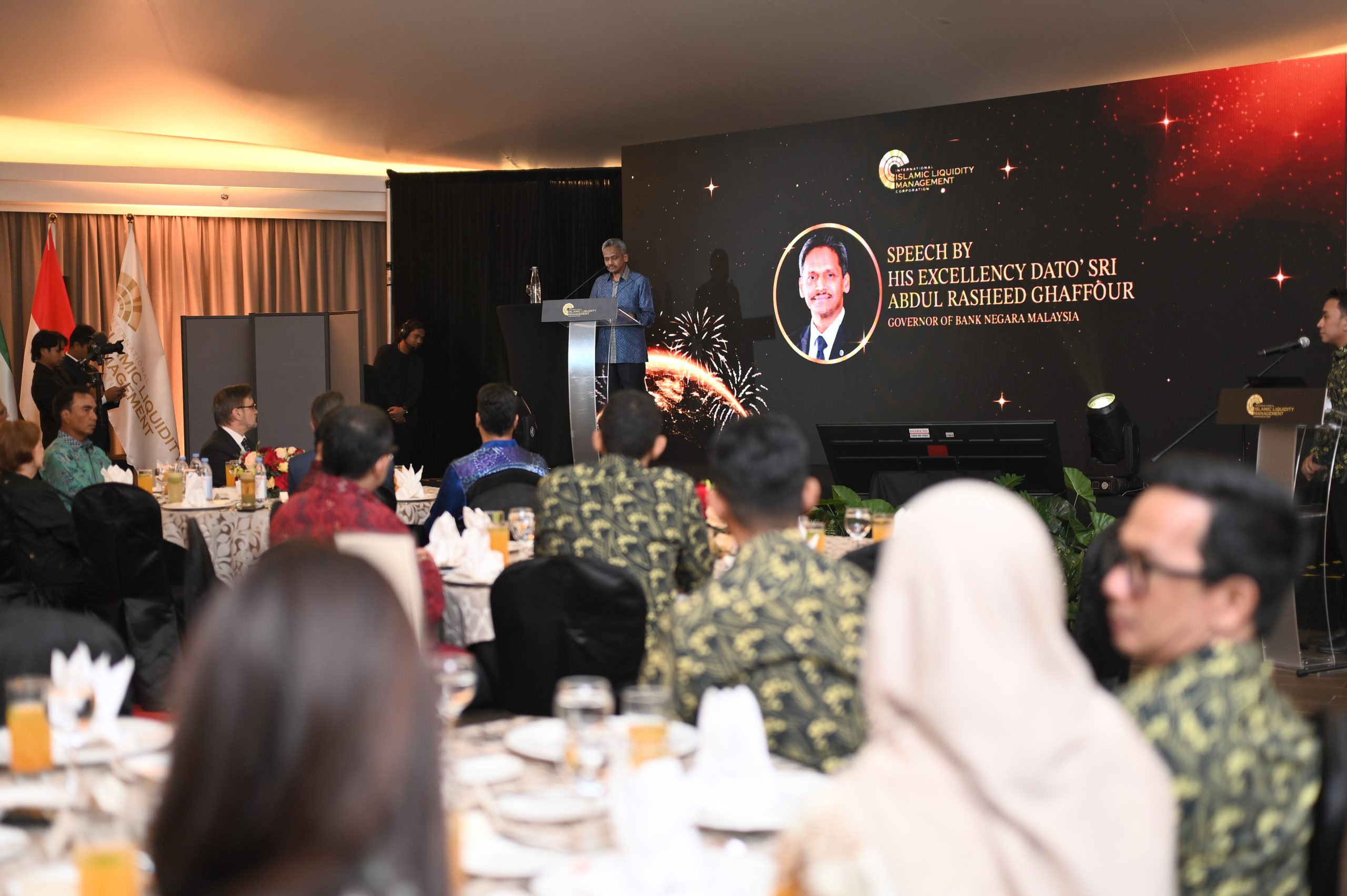
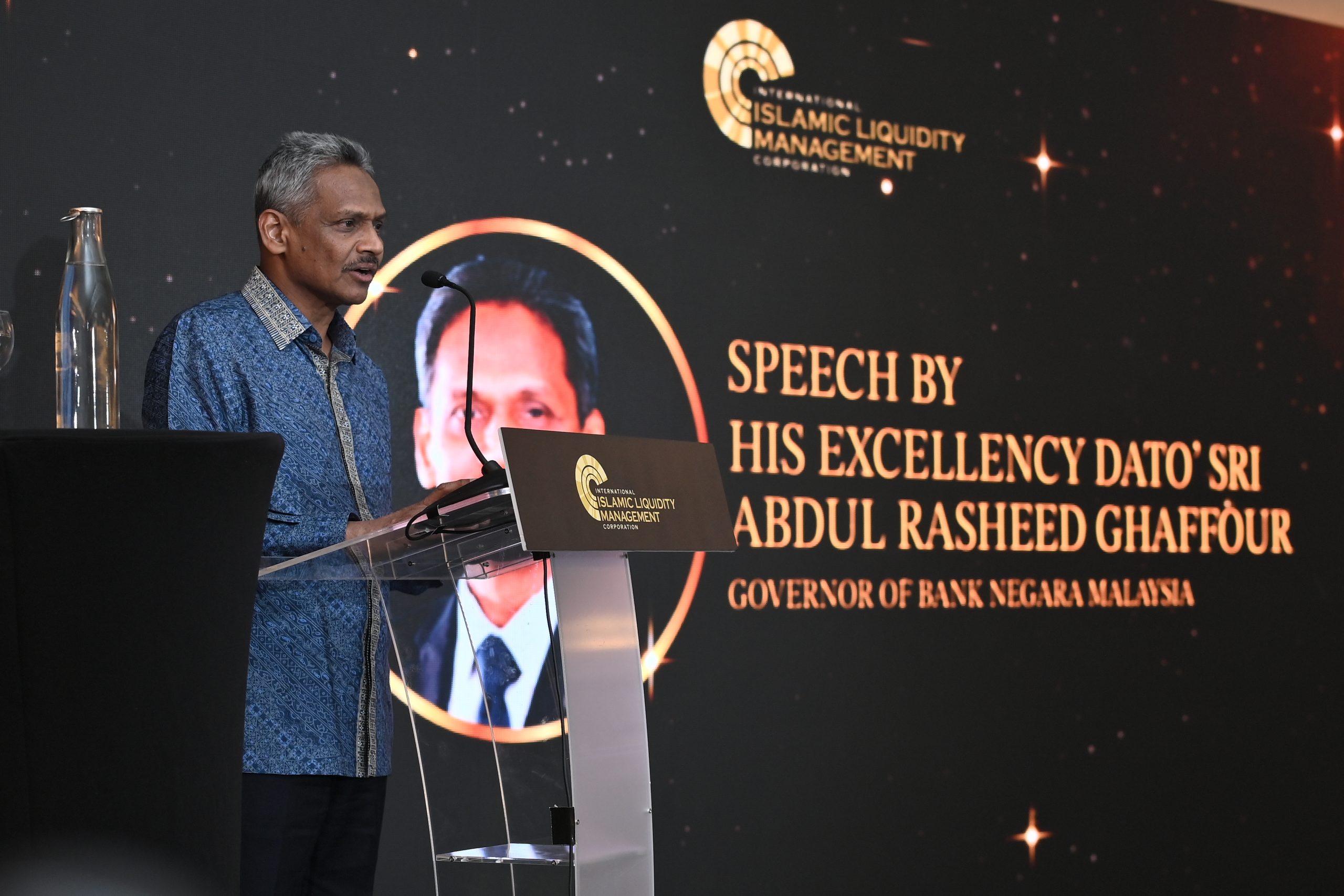
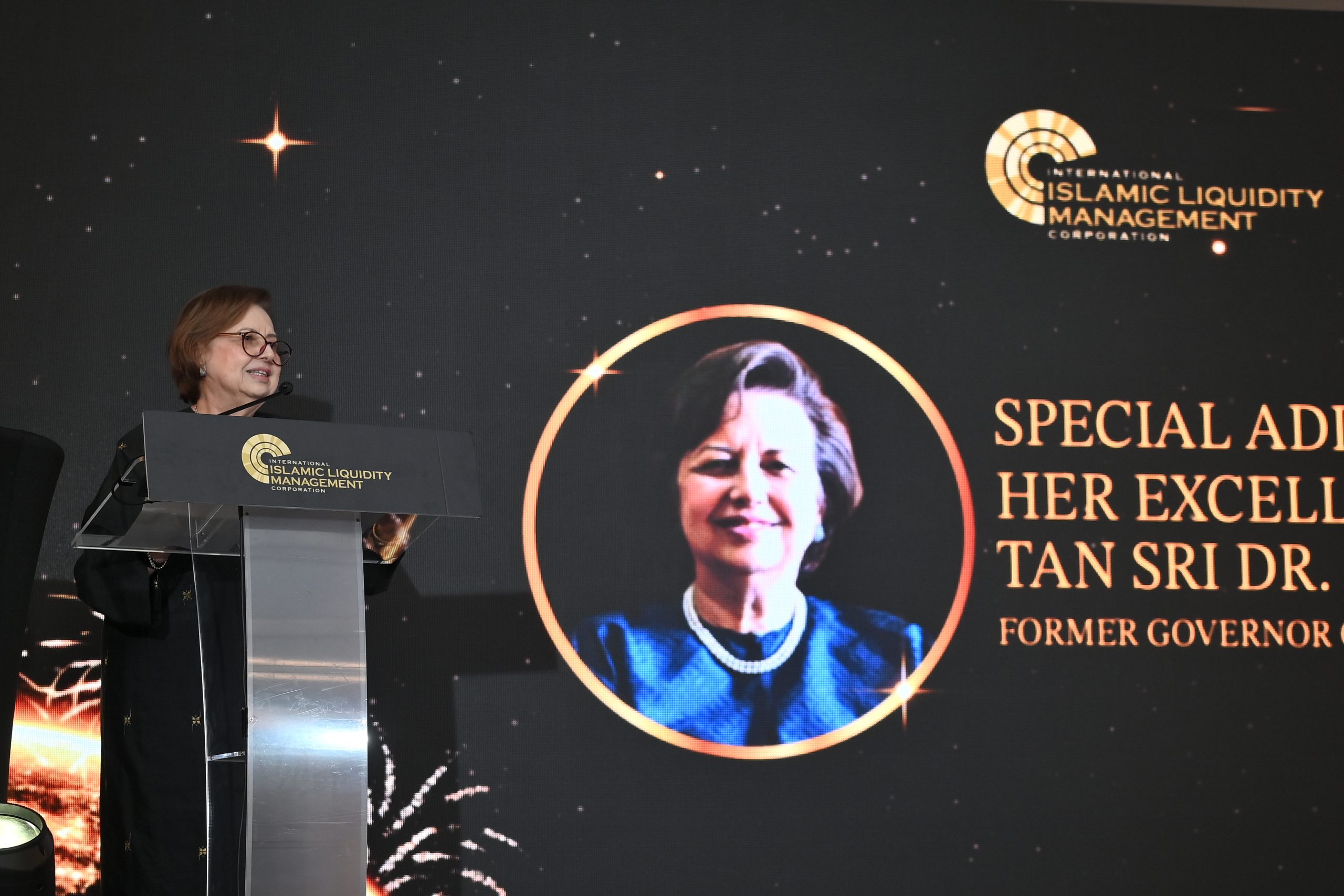
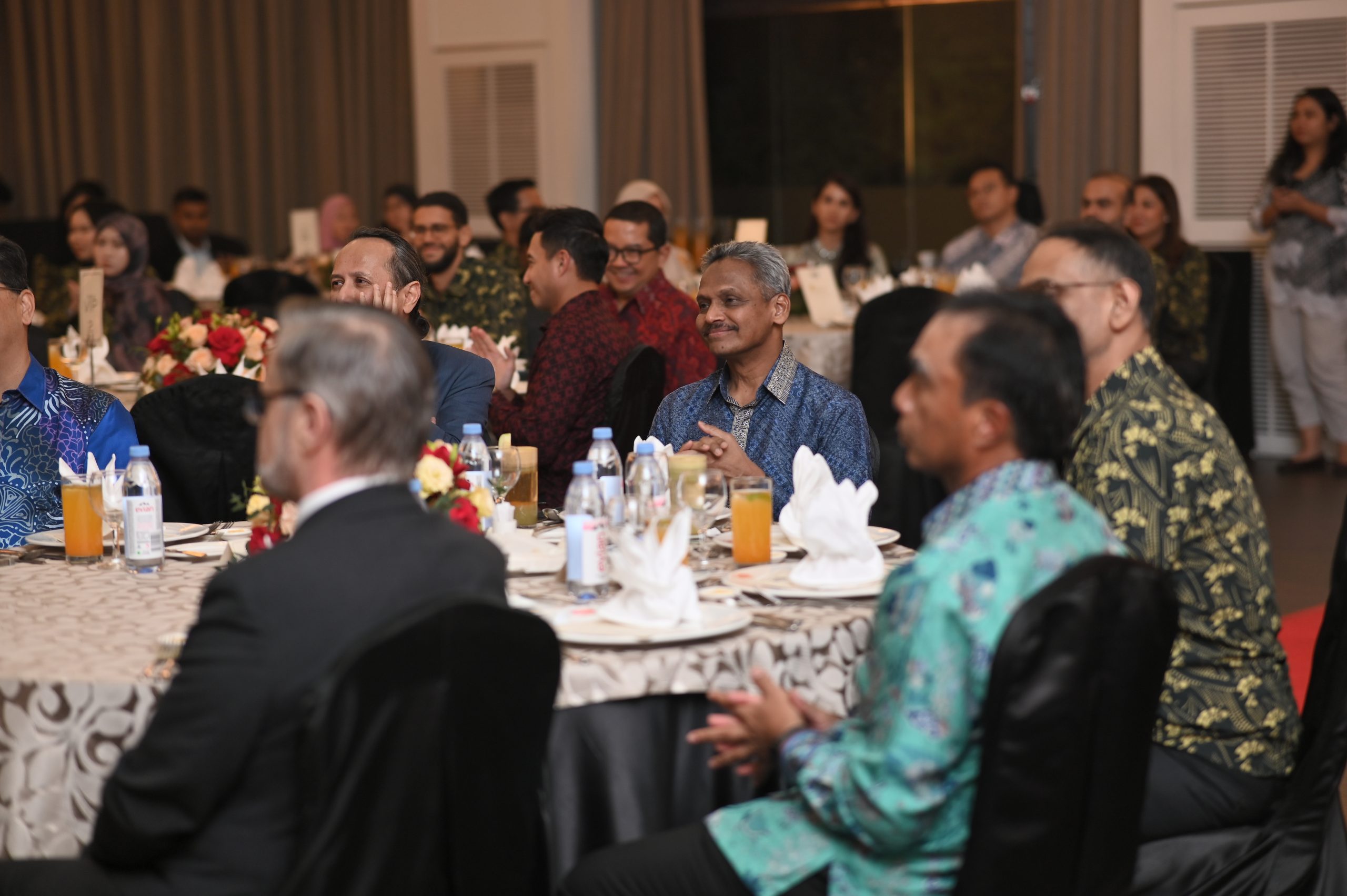
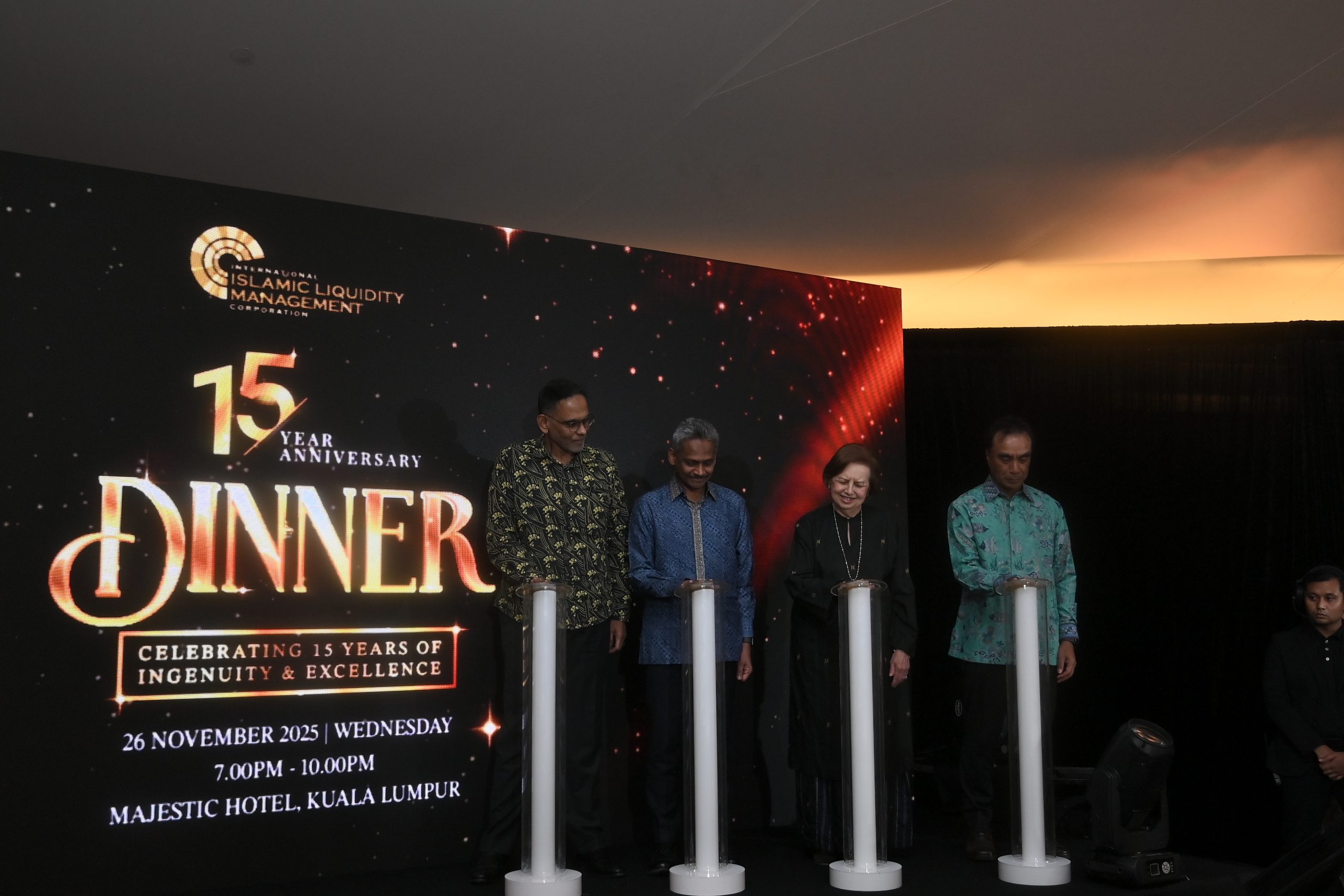
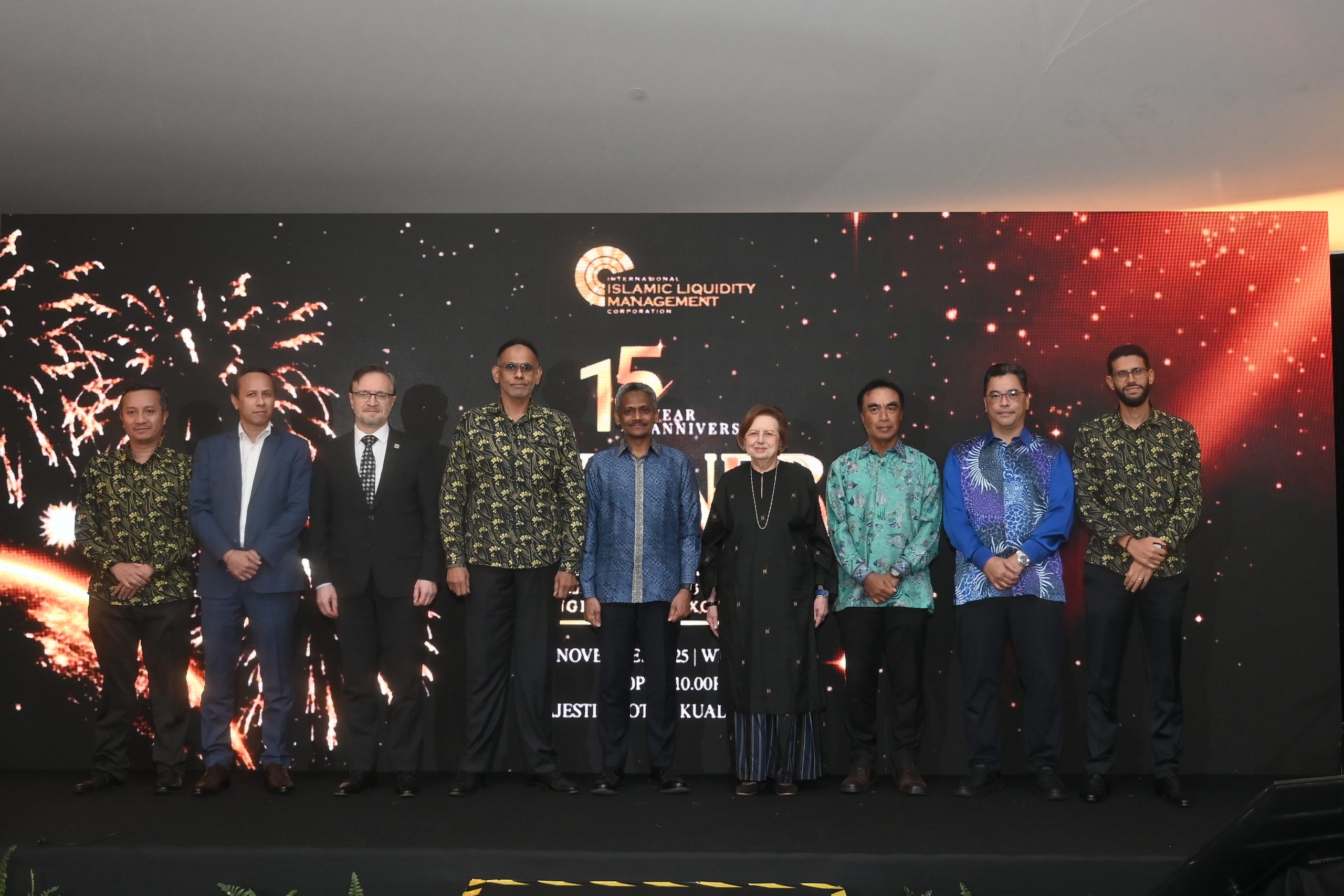
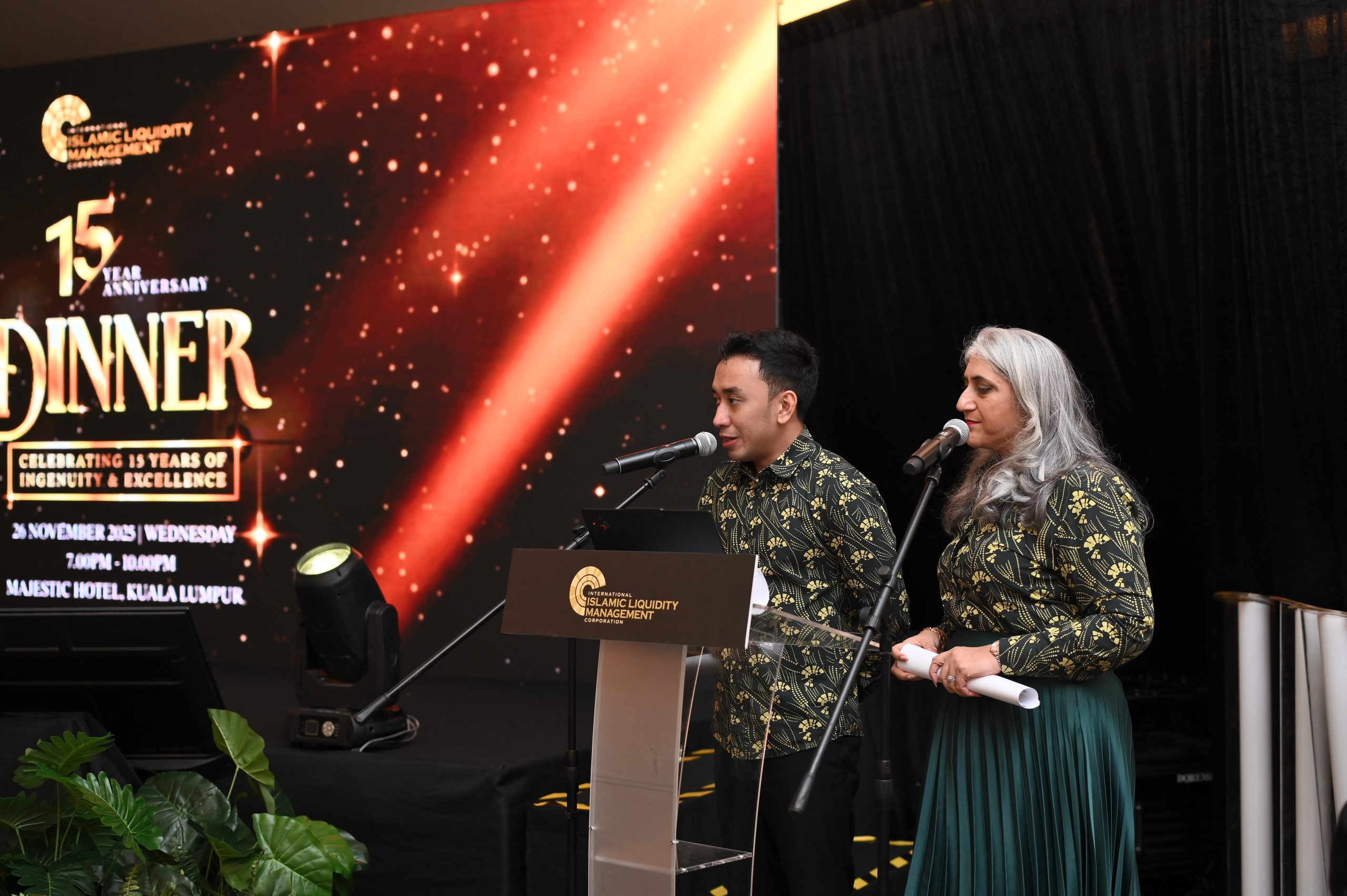
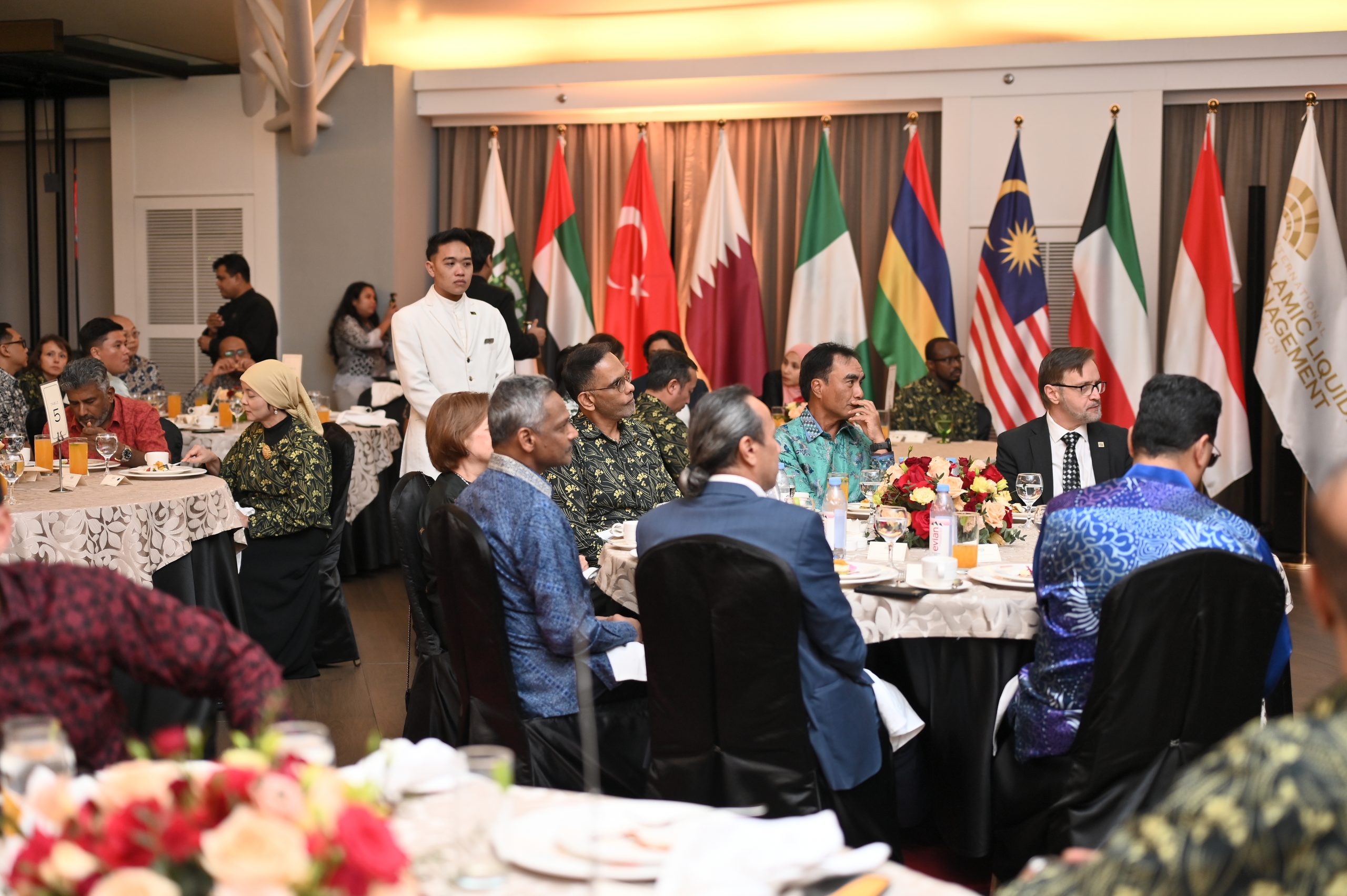
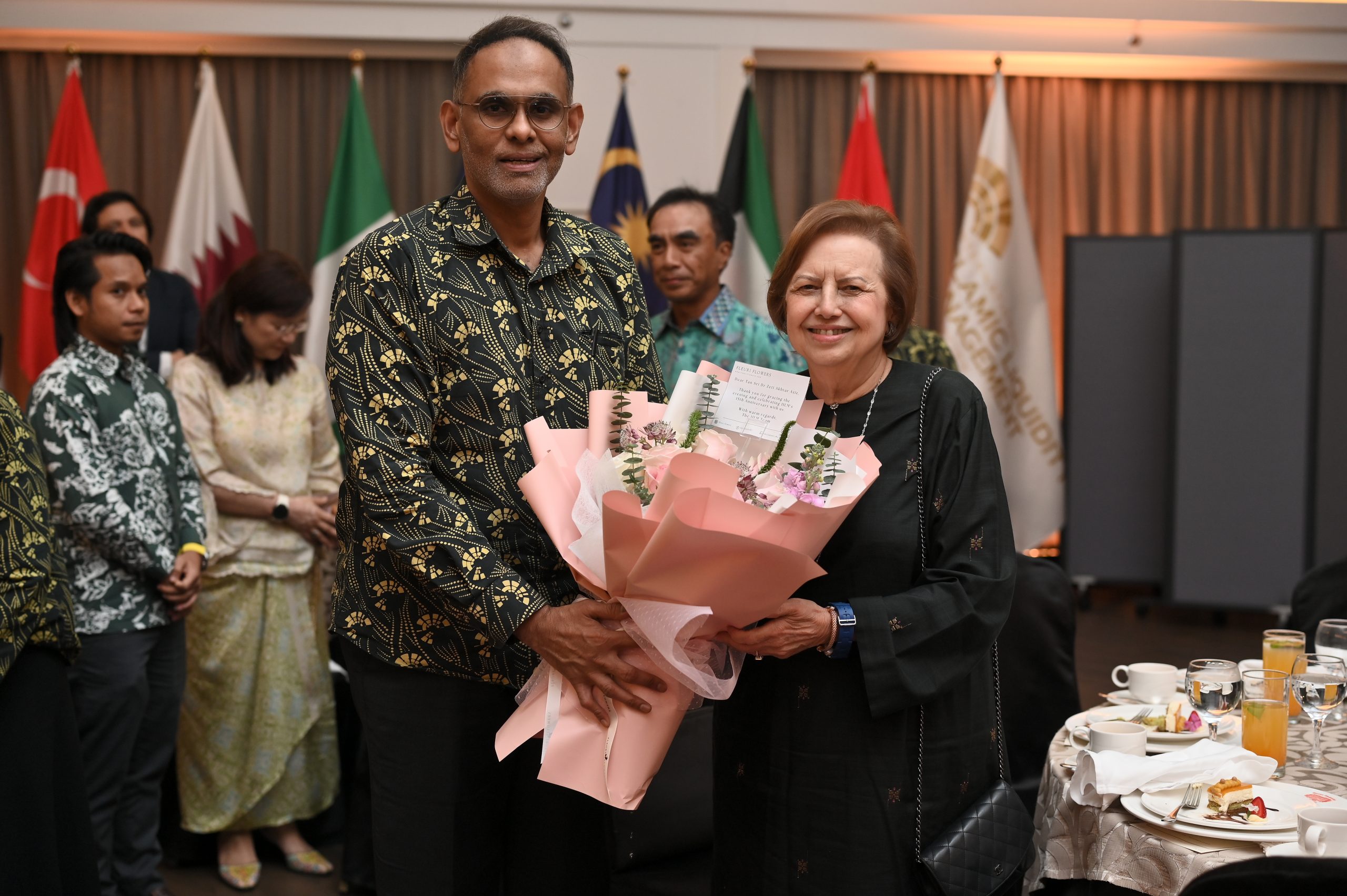
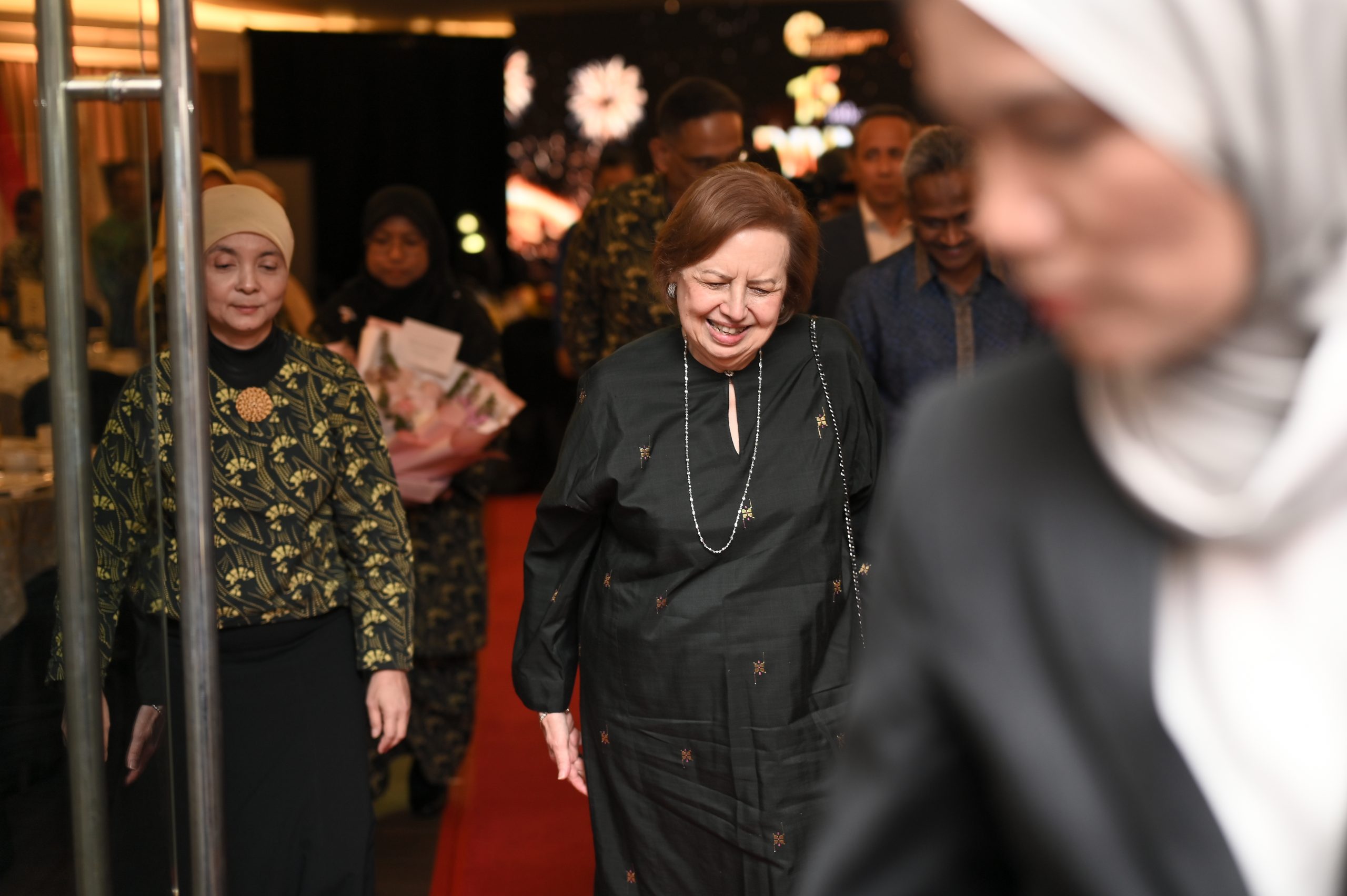
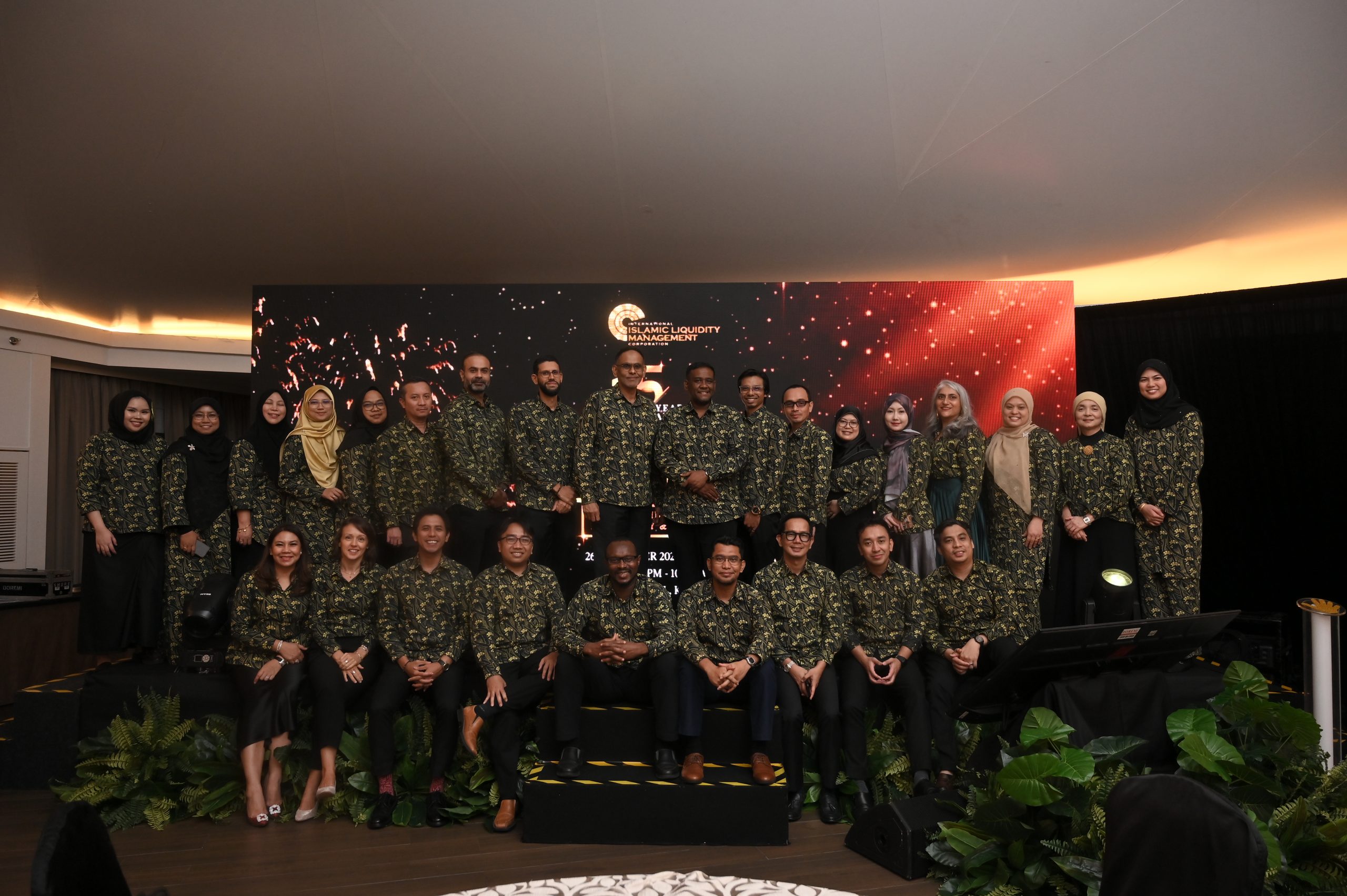
To commemorate this occasion, the IILM hosted a 15-year anniversary dinner in Kuala Lumpur, graced by the presence of Her Excellency Tan Sri Dr. Zeti Akhtar Aziz, former Governor of Bank Negara Malaysia and a pivotal figure in the establishment of the IILM; His Excellency Dato’ Sri Abdul Rasheed Ghaffour, Governor of Bank Negara Malaysia; His Excellency Adnan Zaylani, Deputy Governor of Bank Negara Malaysia; as well as senior representatives from our member jurisdictions.
The IILM’s journey since its inception has been shaped by steadfast leadership and a shared belief in the importance of a robust global Islamic liquidity infrastructure. As we look ahead, the IILM remains committed to advancing innovation, enhancing cross-border financial connectivity, and contributing to the continued development of the international Islamic finance ecosystem.
The IILM’s journey over the last 15 years has been shaped by the steady hands and enduring guidance of leaders who believed in our mandate from the very beginning. Their support continues to inspire us as we look towards the future of Islamic finance with renewed clarity and commitment to advancing innovation, enhancing cross-border financial connectivity, and to elevate the global Islamic liquidity ecosystem.
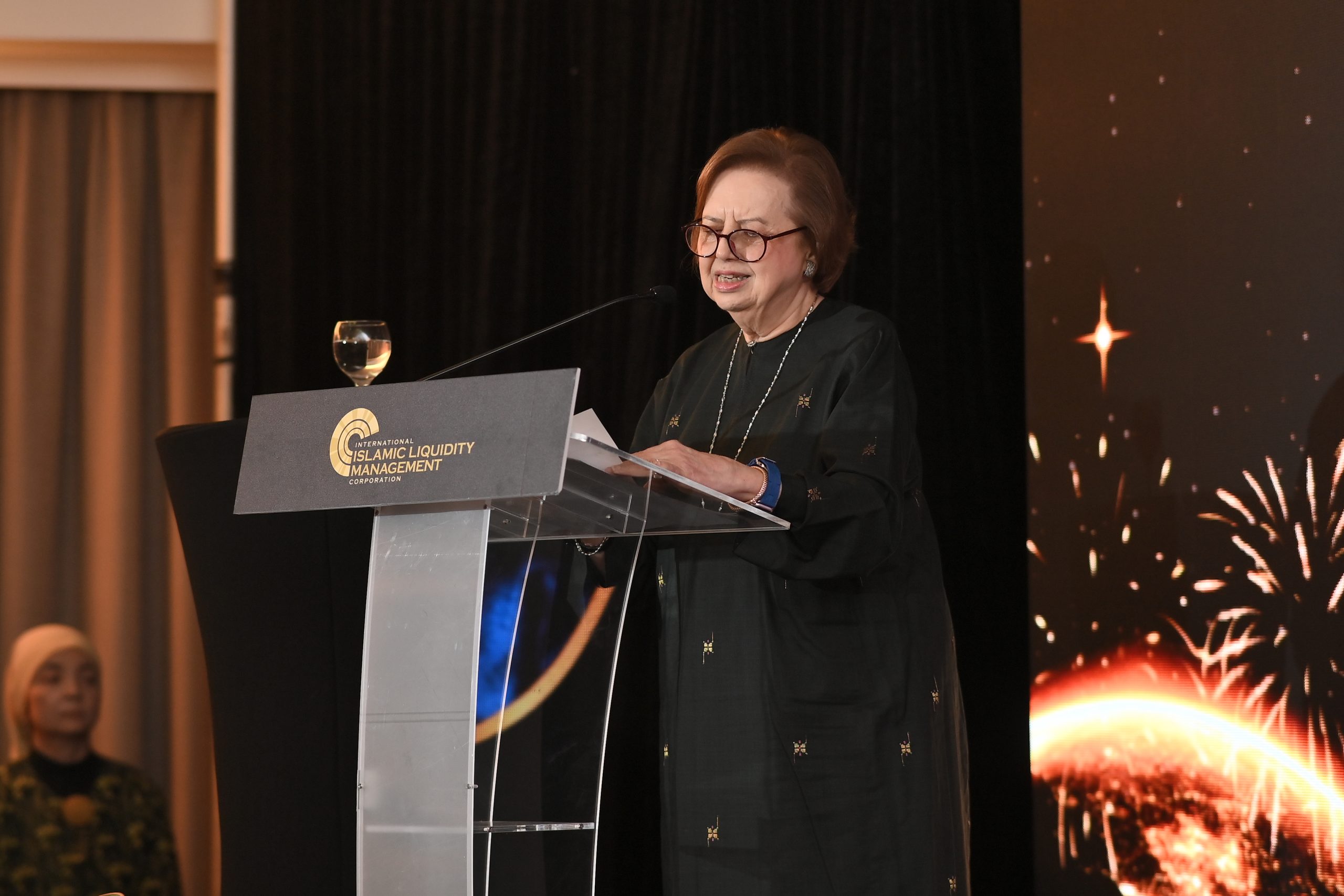
Special Address by Tan Sri Dr. Zeti Akhtar Aziz
IILM 15-Year Anniversary Dinner
Wednesday, 26 November 2025 | The Majestic Hotel, Kuala Lumpur
**Distinguished Guests,
Dear Friends,**
- Allow me to start by sharing the untold story that led to the establishment of the IILM. It was following the great financial crisis that erupted in the developed world in 2008 that I received a telephone call from Dr. Ahmed Mohammed Ali Al-Madani, the then President of the Islamic Development Bank. He was enquiring about the consequences of this financial crisis on the Islamic financial system.
- While noting that the Islamic financial system had been affected but not disrupted, His Excellency proceeded to swiftly initiate a High-Level Task Force with some of the best minds in Islamic finance to examine the impact of the crisis. At his request, I was to lead this task force. Given the urgency of the matter, priority was accorded to this assignment. The report was completed and presented at the headquarters of the Islamic Development Bank in Jeddah on 28 March 2009.
- The report, entitled Islamic Finance and Global Financial Stability, comprised three parts. The first highlighted the inherent elements of Islamic finance that secured its resilience. The second compared the performance of Islamic finance and conventional finance during the period of instability. The results showed that while Islamic finance was affected, it was to a lesser extent than conventional finance.
- The third part outlined eight building blocks to further strengthen the Islamic financial system as a competitive form of intermediation and to enhance its resilience to global disruptions. Following the presentation, it was decided that the Islamic Financial Services Board (IFSB) would establish a task force to examine the second building block—liquidity management in both domestic and international Islamic financial systems.
- Building consensus within this task force was highly challenging due to significant divergence in views. Alhamdulillah, just over a year later, a final convergence of thinking led to the formation of the IILM on 25 October 2010. It was against all odds that this became a reality. While many contributed to this, I wish to acknowledge the role of Professor Rifaat Ahmed Abdel Karim for his extensive knowledge and experience. I also recall the valuable contributions from the Saudi Arabian Central Bank, represented by a young talent who has since become its Governor. I remain honoured to have had the support of the Islamic Development Bank and many colleagues who embarked on this journey toward the formation of the IILM.
- Today, we celebrate the 15th Anniversary of the IILM. Extensive congratulations are in order. We have heard this evening of the achievements of the IILM throughout these fifteen years—despite financial crises, pandemics, and geopolitical tensions. During this period, the IILM’s issuance has never been interrupted. Not only have the issuances been competitively priced, but the IILM is now generating returns for its shareholders. Congratulations to the IILM team, its Board, and the leadership provided by our member central banks.
- As Islamic finance transitioned into international markets during the 2000s, it became an increasingly integral part of the global financial system. Two decades later, however, its growth remains largely domestically centred, with modest contributions internationally. Going forward, Islamic finance holds immense potential to support greater cross-border financial and economic flows amid a world facing fragmentation and de-globalisation.
- As a form of financial intermediation, Islamic finance is well anchored to the real economy. With further internationalisation, it can foster deeper global financial linkages and become a vehicle for enhanced cross-border trade and investment—contributing to global growth and development. Its inherent strengths position Islamic finance to support both global financial stability and broader economic progress.
- Achieving greater internationalisation requires financial products and services that facilitate cross-border flows and align with international standards and best practices. It is also about strengthening partnerships—across financial institutions and regulatory authorities. The Islamic financial system is already supported by a robust international architecture governing accounting, prudential, and governance standards.
- Equally important is the need to engage and educate diverse markets on the value of Islamic finance. Its principles—rooted in sustainability and ethical conduct—resonate strongly across regions. As more countries embrace sustainable development, Islamic finance is well aligned with these objectives. Innovation in financial technology further enhances accessibility and efficiency, supporting its global expansion.
- As the IILM enters its next decade, its role can extend beyond liquidity management and financial stability. The IILM can contribute to the broader internationalisation of Islamic finance and thereby play a greater role in facilitating global financial flows.
- Having established a strong track record over fifteen years, the IILM must now aspire toward attaining the highest rating for its issuances—reflecting its solid position in the global Islamic financial architecture. This will be a tall order, as it requires achieving a rating higher than that of the sovereign of its host country and its shareholder jurisdictions.
- Nonetheless, exceptions can be made when specific conditions are met. Entities with offshore operations and the capacity to service foreign-currency obligations during domestic stress may be rated higher. The IILM would need to undergo stress tests to assess its resilience should member sovereigns face financial difficulty. Its creditworthiness should be evaluated independently, grounded in its international operations.
- Finally, global recognition is needed for the vital role that the IILM plays in the international financial system. The IILM not only supports global financial stability but also strengthens global economic linkages—contributing to global growth and promoting shared prosperity.
Thank you.


Share this story
About IILM
The International Islamic Liquidity Management Corporation (IILM) is an international organisation established on 25 October 2010 by central banks, monetary authorities and multilateral organisations to develop and issue short-term Shari’ah-compliant financial instruments to facilitate effective cross-border liquidity management for institutions that offer Islamic financial services (IIFS).
The current members of the IILM Governing Board are the central banks and monetary agencies of Indonesia, Kuwait, Malaysia, Mauritius, Nigeria, Qatar, Türkiye, the United Arab Emirates, as well as the multilateral Islamic Corporation for the Development of the Private Sector.
Membership of the IILM is open to central banks, monetary authorities, financial regulatory authorities or government ministries or agencies that have regulatory oversight of finance or trade and commerce, and multilateral organisations.
The IILM is hosted by Malaysia and headquartered in Kuala Lumpur.
Media Enquiries:
The International Islamic Liquidity Management Corporation (IILM)
T: +60(3) 2170 5000
www.iilm.com
